The Evolution of Sliding Doors: From Timeless to Current Styles
The evolution of sliding doors showcases a notable shift in functionality and design over the centuries. From elaborate wooden structures in ancient castles to contemporary, elegant glass panels, these doors have adapted to evolving preferences and advancements. This journey reflects broader architectural trends and innovations in materials. Grasping this development can guide decisions for modern spaces and enhance living experiences, inspiring a thoughtful examination of how these components can reshape the meaning of home.
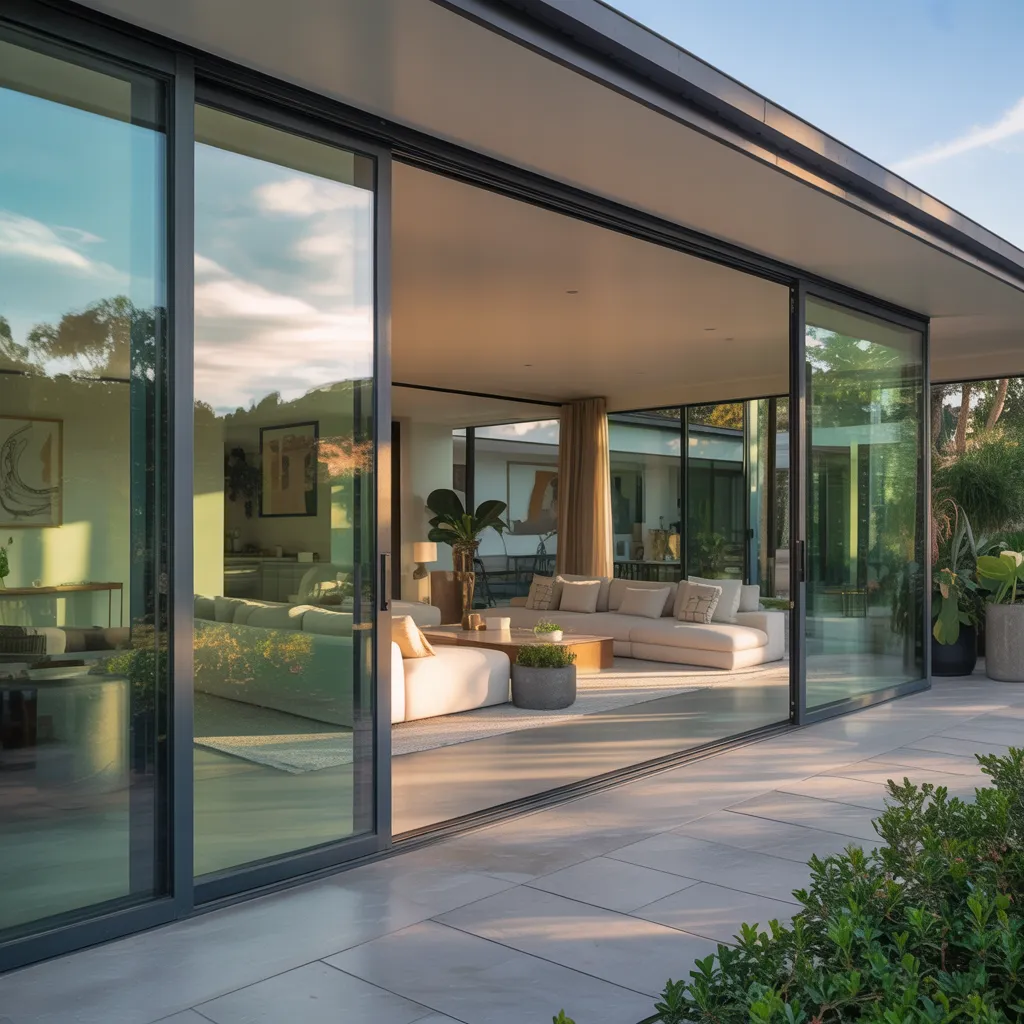
Contemporary Advancements in Sliding Door Technology
Sliding door technology has experienced remarkable advancements, elevating both practicality and design. Current advancements concentrate on refining user experience through superior materials and engineering. Premium-grade glass, for example, provides superior insulation and UV resistance, promoting energy savings while allowing maximum natural light penetration. Furthermore, the incorporation of smart technology enables automated operation, often controlled via smartphone apps, enhancing convenience.
Moreover, today's sliding doors employ sleek, minimalist frames that work with a wide range of architectural styles, making them ideal for homes and businesses alike. Upgraded tracks and roller systems guarantee more efficient operation, decreasing gradual wear and damage. Customization options, including a wide selection of finishes and colors, allow homeowners to customize doors to match their preferences.
These advancements not only enhance the visual appeal of spaces but also provide strength and functionality, reflecting a shift towards modern living that prioritizes both style and practicality in sliding door architecture.
The Historical Evolution of Sliding Doors
Though commonly connected to modern construction, the history of sliding doors extends back thousands of years. Early societies, such as the Japanese and Chinese, constructed sliding doors known as “shoji” and “fusuma” panels, employing lightweight materials like wood and rice paper. Such designs enabled flexible room configurations and seamless indoor-outdoor shifts.
In the Roman Empire, sliding mechanisms underwent further development, largely to improve convenience in public spaces. The adoption of doors that slide open as opposed to swinging, was found to be practical in heavily populated areas.
Throughout the Medieval period, sliding doors re-emerged in European architecture, frequently functioning as aesthetic additions in castles and stately residences. During the 1800s, the Industrial Revolution facilitated the mass production of sliding doors, leading to their incorporation in residential and commercial structures. This fascinating progression demonstrates the timeless appeal and functional benefits of sliding doors throughout various cultures and time periods.
A Comparison of Sliding Door Materials: Past vs. Present
As architectural styles evolved, so too did the materials used for sliding doors, reflecting advancements in technology and design preferences. Historically, sliding doors were primarily crafted from wood, taking advantage of its natural appeal and abundance. Yet, wood's vulnerability to warping and weathering drove the demand for more long-lasting solutions.
In contemporary designs, materials like aluminum, fiberglass, and composite materials have risen in prominence. Aluminum provides a clean, contemporary look while providing excellent durability and corrosion resistance. Fiberglass, on the other hand, merges energy efficiency with a wood-like appearance, demanding minimal upkeep and exhibiting better weather resistance. Additionally, glass has established itself as a notable choice, facilitating effortless indoor-outdoor connections and optimizing natural light intake.
This shift in materials highlights a shift toward utility and sustainable practices, empowering homeowners to explore solutions that align with both aesthetic desires and functional needs.
Finding Classic Sliding Door Styles for Your House
Traditional sliding door designs provide a lasting elegance, fitting naturally within a wide range of home aesthetics. Commonly constructed from timber, these doors radiate charm and sophistication, making them suitable for a variety of interior styles from rustic to modern. Sought-after options encompass the barn door style, which evokes rustic charm, as well as the pocket door, perfect for saving space without compromising on timeless style.
Opting for glazed panels can improve natural lighting and create an open atmosphere, making them ideal for bridging interior and exterior spaces. Additionally, decorative fixtures, such as classic handles and copyrights, can complement the traditional appearance, introducing exceptional character to the residence.
When picking out traditional sliding doors, residents should take into account architectural elements and color schemes to guarantee harmony throughout their living spaces. By selecting traditional styles, homeowners can achieve an elegant and welcoming atmosphere that embraces both practicality and visual charm.
How to Select the Right Sliding Door for Your Space
Selecting the right sliding door requires careful assessment of both materials and aesthetics. Durability is essential, as the chosen material should withstand daily use while complementing the overall aesthetic. Aligning the sliding door's style with current design elements creates a cohesive look that elevates the area.
Material Factors For Long-Lasting Performance
Durability is a critical factor when selecting sliding doors, as the appropriate material can significantly impact performance and lifespan. Common materials include wood, fiberglass, aluminum, and vinyl, all of which offer their own notable benefits. Wood delivers a natural visual charm though it may need routine care to prevent distortion. Fiberglass is recognized for its durability and weather resistance, making it ideal for various climates. Aluminum delivers a sleek, modern aesthetic while being lightweight, however it can transfer heat and cold. Vinyl requires minimal upkeep and promotes energy efficiency, making it a preferred option for home installations. When selecting a sliding door, evaluate the level of environmental exposure and frequency of use to guarantee the chosen material meets durability needs while complementing functional requirements.
Style Matching With Décor
Selecting the right sliding door can considerably elevate the overall look of a space. To achieve style cohesion, one must evaluate the existing design and architecture. For current settings, streamlined, understated designs with materials like glass and metal pair well with contemporary furnishings. In contrast, conventional spaces benefit from wooden doors displaying intricate details or classic finishes. Colour also plays a vital role; doors should either harmonize or stand out boldly with surrounding walls, furniture, and accessories. For eclectic interiors, eye-catching patterns or unconventional textures can serve as statement pieces. At the core of it all, the chosen sliding door should not only function well but also align with the complete theme of the room, guaranteeing a cohesive and inviting atmosphere.
How Contemporary Sliding Doors Improve Indoor-Outdoor Living
Today's sliding doors considerably elevate indoor-outdoor connectivity by seamlessly merging interior spaces with the natural environment. Such wide glass surfaces provide unobstructed views, allowing natural light to flood into living areas while forming a scenic connection to outdoor environments. In contemporary designs, slender frames expand glass coverage, making spaces feel larger and more open.
Function is another important consideration; most sliding doors function seamlessly, facilitating smooth access between inside and outside areas. key resource This attribute fosters a more dynamic approach to living, supporting both hosting and daily functions within a harmonious area. Beyond this, innovative materials supply better insulation and security, providing coziness and security without diminishing design quality.
Landscaping elements and outdoor furnishings can be thoughtfully unified, forming a unified space that promotes leisure and social connection. At their core, modern sliding doors not only improve the architectural beauty of a home but also foster a lifestyle that welcomes the natural world and open-space living.

Frequently Asked Questions
What Is the Typical Price Range for Sliding Door Installation?
The typical costs of installing sliding doors usually fall from $1,000 to $2,500, based on materials, dimensions, and installation requirements. Homeowners need to factor in supplementary expenses like hardware and any necessary structural modifications.
How Can I Maintain Sliding Doors Over Time?
Consistent care of sliding doors involves clearing out tracks, lubricating rollers, checking seals for wear, and fine-tuning alignment. Verifying correct operation demands regular check-ups to stop grime from building up and maintain seamless functionality over time.
Can Sliding Doors Be Regarded as Energy-Efficient Alternatives?
Sliding doors can be environmentally friendly, particularly when fitted with dual or triple glazing. Correct installation and weather sealing improve their efficiency, decreasing heat loss and making them a smart selection for environmentally conscious homeowners.
Are Sliding Doors Available in Custom Options for Unique Spaces?
Sliding doors can absolutely be adapted to accommodate unique areas. A wide range of materials, sizes, and designs enable customized solutions, ensuring they meet both aesthetic and functional requirements, elevating the general attractiveness of any space.
What Safety Features Should I Consider for Sliding Doors?
When picking out sliding doors, you should evaluate features like toughened glass for durability against impacts, robust locking systems to deter unauthorized access, anti-lift track systems to prevent forced removal, and safety sensors to avoid accidental closures.